rotarycb1934@gmail.com
+91 80 2212 0317
Rotary House of Friendship 20, Lavelle road, Bengaluru
Happy reading!
Your Rotator Team 2025–26
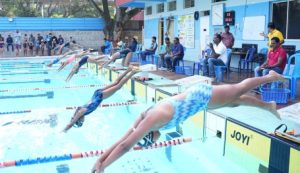
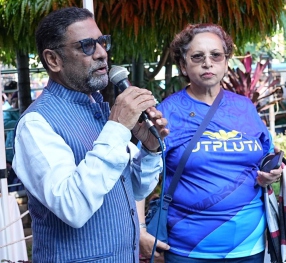
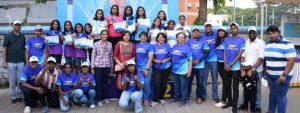
The 11th edition of Utpluta, organised by the Rotary Club of Bangalore, concluded successfully at the Basavangudi Aquac Centre on 14th November 2026, with more than 475 children participating in 64 events across all swimming styles, relays and age categories for both boys and girls in the Under-16 category.
From freestyle sprints to backstroke, breaststroke, butterfly, individual medley and thrilling team relays, the pool was alive with energy, discipline and sportsmanship from morning till evening. Young swimmers, some competing for the first time and others seasoned participants, showcased remarkable talent, stamina and determination.
What made this year’s Utpluta truly special was its inclusive spirit. Underprivileged children and specially-abled children were also given a dedicated platform to perform, compete and hone their skills alongside their peers. Their participation drew loud applause from parents, coaches and spectators, and stood as a powerful reminder that sport belongs to everyone.
The aim of Utpluta has always been more than medals. Over 11 editions, it has grown into a nurturing ground where children learn confidence, teamwork, time management and healthy competition, while also discovering a love for swimming.
“The response this year has been overwhelming. To see 475+ children in the pool, cheering for each other, giving their best, and especially to see our underprivileged and specially-abled children shine with such courage — that is the real success of Utpluta.
Parents appreciated the smooth conduct of the 64 events, the fair judging, and the encouraging atmosphere for first-time swimmers. Coaches noted a visible improvement in technique and confidence among participants compared to previous years.
With each edition getting bigger and more inclusive, Utpluta 11 has set a new benchmark. The organisers thanked all the swimmers, parents, coaches, volunteers, referees and sponsors who made the event a grand success, and promised an even bigger and more inclusive 12th edition next year.
The event concluded with prize distribution and a standing ovation for all participants — winners and first-timers alike — for making Utpluta 11 a celebration of young talent, inclusion and the joy of swimming.
— Rtn Anju Agadi
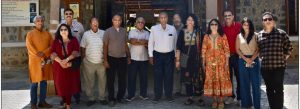
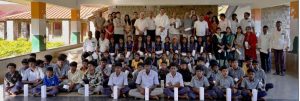
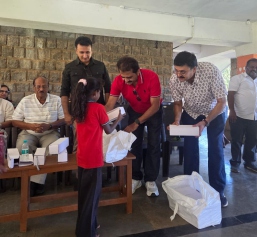
On Nov 13, 2026, fourteen Rotarians and Anns headed towards BR Hills in Chamrajnagar district to visit the Vivekananda Tribal School.
Enroute we halted at the Gubbali PHC, which is known nationwide. At the school, the health center was very modern and a smart board donated by RCB was commissioned. This will assist training the children from Classes 1 to X.
RAGES in its 4 year pursuit of discouraging plastic water bottles then proceeded to distribute 250 elegant stainless steel bottles to the excited kids courtesy some of our own generous members. International Services Director Kamala Charan and Rtn. Ramakrishna Mudgal thanked RCB for the constant support to these children of the forest.
We also visited the famous Rangatha Swamy temple. The next morning, Nov 14, all the RCBians went on a lovely safari at daybreak to see the wilderness.
— Rtn Jayanth Rudra, Jt. Chair – RAGES
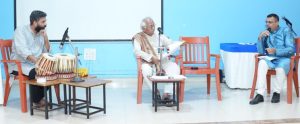
The aroma of hot Rava idly still lingered in the hall. Cups of coffee and tea had been emptied, conversations had gently tapered off, and Rotarians along with their guests settled comfortably into their chairs, unaware that what awaited them next would be far more nourishing than the evening thindi. What followed was music to the ears in the truest sense of the phrase, a rare evening where melody met wisdom, and performance blended seamlessly with conversation.
The Monday meeting unfolded as an enchanting combination of music and talk, featuring a distinguished father-son duo, the acclaimed Hindustani classical musician Pt. Dr. Nagraj Rao Havaldar and his equally talented musician son, Mr. Kedarnath Havaldar. Together, they transformed an ordinary club gathering into a memorable journey through the timeless world of Indian classical music.
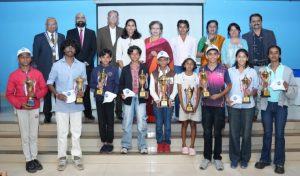
Before the musical voyage commenced, the evening celebrated youthful achievement. Prizes were distributed to the winners of the swimming championships conducted as part of the 11th edition of RCB’s Utpuluta, the club’s annual swimming competition. The applause for the young champions set a cheerful tone, but soon the spotlight shifted from the swimming pool to the deeper waters of melody and rhythm.
Dr. Nagraj Havaldar brought with him not only decades of musical excellence but also a rich legacy of learning. Trained in the revered Kirana Gharana tradition under Pandit Madhava Gudi, one of the foremost disciples of the legendary Bhimsen Joshi, he carries forward a lineage that has enriched Hindustani classical music for generations. He is also widely recognised as a pioneer in popularising Kannada Khayal, creatively adapting Vachanas, Haridasa literature and contemporary Kannada poetry into the traditional khayal form.
What made the evening extraordinary was the effortless manner in which Panditji combined scholarship with performance. He did not merely sing ragas; he explained them, dissected them and breathed life into them. Every note became a lesson and every explanation a doorway into a deeper appreciation of music. His commanding baritone voice resonated across the hall, captivating the audience from the very first rendition.
As he moved between dialogue and demonstration, the room fell into a near sacred silence. The audience listened intently, hanging on to every word and every note. It was one of those rare moments when silence itself became applause. The pin-drop stillness testified to the respect commanded by a maestro whose relationship with music transcended performance and entered the realm of spiritual communication.
The interaction with the audience was equally engaging. When asked how classical music impacts ordinary people, Dr. Havaldar responded with characteristic wit and wisdom. He dismissed the distinction between ordinary and extraordinary people altogether, remarking that every individual is a common person and simultaneously a buddhi jeevi, an intellectual in their own right. His observation drew smiles across the room while subtly reinforcing the universality of music.
Expounding on the essence of classical music, he described it as the mother of all music. Classical music, he said, is both scientific art and artistic science, a highly stylised form of shastra sangeet that marries discipline with creativity. His words helped demystify a genre often perceived as exclusive, revealing instead its foundational role in shaping musical traditions across cultures and generations.
A particularly fascinating segment of the evening centred on Raga Bhairavi. Speaking with affection and reverence, Dr. Havaldar described Bhairavi as an all-pervasive raga that embodies devotion, love, longing and warmth. Often referred to as the queen of morning ragas, Bhairavi possesses an emotional depth that speaks directly to the human heart. To illustrate his point, he seamlessly shifted from explanation to musical demonstration, allowing the audience to experience the mood of the raga rather than merely understand it intellectually.
He further explained that many popular film songs owe their melodic foundations to classical ragas. Songs such as Jab Deep Jale Aana, Chandan Sa Badan, and Man Re Tu Kahe Na Dheer Dhare carry unmistakable echoes of classical traditions. Behind the apparent simplicity of these beloved melodies lies a sophisticated framework of rhythm and raga that classical music has gifted to mainstream music.
Another intriguing question concerned the relationship between music and seasons. Dr. Havaldar explained that music is deeply seasonal and that each season possesses its own emotional colour and musical character. Certain ragas bloom naturally in particular times of the year, just as flowers blossom in their appointed seasons. Music, therefore, is not merely heard; it is experienced in harmony with nature and time.
As the evening drew to a close, one message lingered above all others. Music, Dr. Havaldar reminded the audience, leaves an indelible imprint on the heart and soul. Beyond entertainment, it is a social and cultural responsibility, a living heritage that must be preserved, shared and celebrated.
When the final note faded into the night, the audience rose not merely as listeners but as participants in a profound artistic experience. The Monday programme had begun with champions receiving medals and ended with minds receiving inspiration. Long after the chairs were vacated and the hall emptied, the lingering strains of Bhairavi continued to echo in memory, leaving everyone with a soul-searching reminder that while words may inform, music has the power to transform.
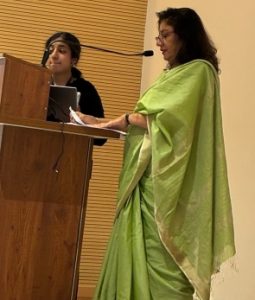
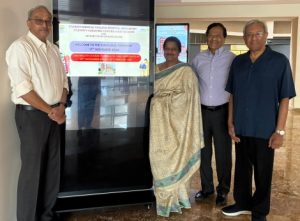
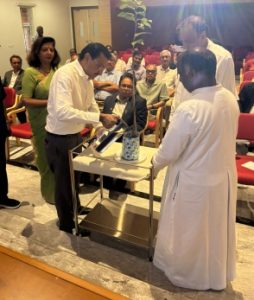
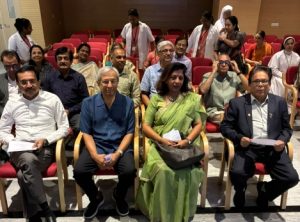
The Rotary Club of Bangalore marked a wonderful beginning this afternoon with the inauguration of its Healthcare Assistant Training Programme at St John’s Geriatric Centre, St John’s Hospital.
The inaugural programme witnessed enthusiastic participation from members of the Club’s Vocational Services Committee, including President Rtn. Vineetha Chinappa, Secretary Rtn. Vijay Rao, Director – Vocational Services Rtn. RV Bhat, Project Champion Rtn. Arun Bhaskar, and several other members. The presence and wholehearted involvement of our vocational services team reflected the Club’s collective commitment to meaningful service.
We extend our heartfelt gratitude to Major Donor Rtn. Dileep Kumar Pillai for his exceptional generosity and invaluable support in sponsoring the training of candidates. His contribution will help equip participants with essential skills and knowledge to provide compassionate and competent care to senior citizens.
This initiative is a meaningful step towards strengthening geriatric care services and creating skilled healthcare support personnel.
With such an encouraging kickoff and strong collective support, we look forward to seeing this vocational service initiative make a lasting difference in the lives of the trainees and the senior citizens they will go on to serve.
— Rtn. Arun Bhaskar & Rtn. Niska Nanjundayya
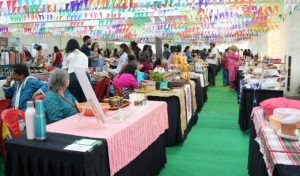
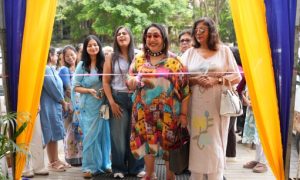
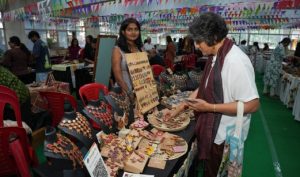
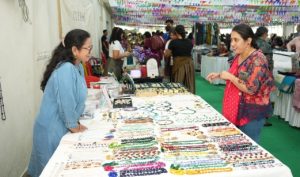
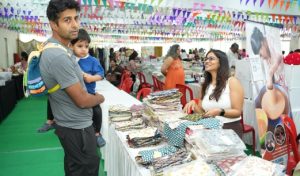
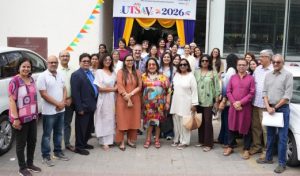
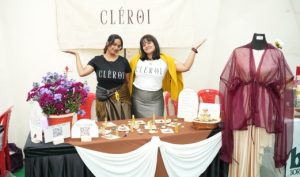
This year’s RCB Utsav was the largest so far, and brought together nearly 100 women entrepreneurs at Indiranagar Club on 15 November, providing an affordable platform to showcase their products, meet customers and build business relationships.
The initiative was designed not merely as a one-day marketplace but as an opportunity for home-based entrepreneurs to gain visibility, test their offerings and establish contacts for future sales.
An RCB team created special videos to showcase participants on Social Media which were reshared by the participants.
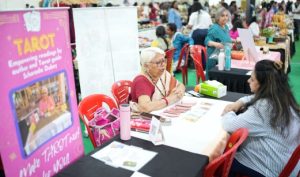
Visitors appreciated the wide variety of products on display that included food, spices, apparel, home decor, jewellery, and even tarot/aura reading.
Based on initial feedback from just 50% of the participants received so far, they have reported immediate sales of 4.92 lakh and projected another 2.37 lakh in business over the next two to three months—combined reported potential of 7.29 lakh. (Self-reported figures, with responses still awaited from other vendors).
An RCB team of five members contributed an estimated 200 volunteer-hours in planning and execution.
Participants praised the organisation and supportive atmosphere, while suggesting improvements in publicity, visitor reach, stall mix and facilities. Their feedback will guide future editions.
— Rtn. Niska Nanjundayya & Rtn. Sandeep Ohr
